
Traditional Greek Headwraps
Angeliki Christofilopoulou, Marina Christofaki
Institution: Dora Stratou
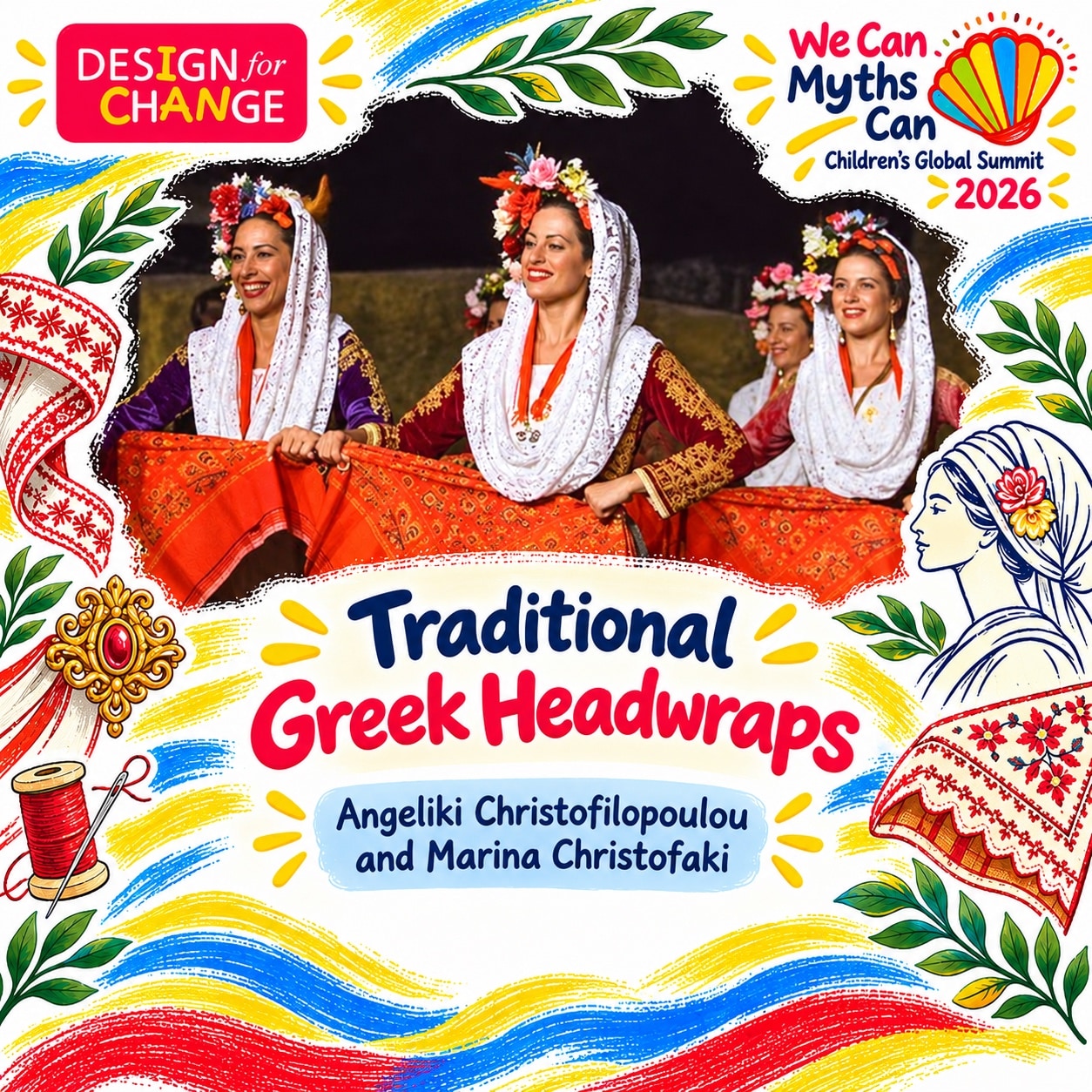
Every headscarf holds a story, and every way of tying it carries a tradition passed down from generation to generation. The workshop “Traditional Greek Headwraps” invites participants on a journey into the world of Greek traditional dress, exploring the distinctive ways women adorned and wrapped their heads in different regions of Greece.
Inspired by the invaluable folkloric heritage and research of Dora Stratou, we will discover the beauty, craftsmanship and symbolism behind each traditional headwrapping style.
The Meaning and Significance of Traditional Headwraps
A brief introduction to the role and symbolism of head coverings in traditional Greek dress. We will explore how different styles and decorations could reveal a woman’s place of origin, age and marital or social status
Preparation – A Ritual in Itself
Traditional head wrapping is much more than simply tying a headscarf. It is a whole ritual, consisting of several carefully followed steps. The process begins with preparing and arranging the hair, creating the foundation for the headwrap.
Folding the Headscarf
An introduction to the different ways of folding and preparing the fabric, depending on the style and its region of origin.
Positioning and Tying
We move on to placing the headscarf on the head and exploring the distinctive tying techniques associated with each region.
Adornment – The Finishing Touch
Each headwrap is completed with its characteristic decorative elements, such as jewellery, brooches, pins and flowers, bringing the traditional look to life.
What Participants Will Take Away
Participants will gain a deeper appreciation of the richness and diversity of traditional Greek dress, discovering 6–7 distinctive headwrapping styles from different regions of Greece. They will learn about the cultural significance and symbolism behind each style, while becoming familiar with the traditional techniques of hair preparation, headscarf folding, tying and adornment.
Above all, they will experience the beauty of a living tradition, discovering how a simple piece of fabric can tell stories of identity, heritage and everyday life.